When procurement managers evaluate the cost of critical braking components, the primary challenge is often distinguishing between a low initial purchase price and the long-term total cost of ownership. Understanding the variables that influence the access brake drum price is essential for maintaining vehicle safety and reducing downtime in commercial fleets and industrial machinery.
The relationship between component quality and operating expenses is direct; a cheaper drum that wears prematurely leads to increased labor costs and potential safety hazards. For those sourcing through Hot Products, Parts Brake Drum Catalogues, the goal is to find a balance where metallurgical precision meets economic viability without compromising the structural integrity of the braking system.
By analyzing the technical specifications of high-output manufacturing and the logistics of global distribution, businesses can make informed decisions. This guide examines the factors driving market valuation and how to identify a supplier that delivers lasting value, ensuring you access brake drum price data that reflects genuine quality standards.


The valuation of a brake drum is fundamentally tied to the quality of the cast iron used and the precision of the machining process. High-grade grey iron is typically preferred for its thermal conductivity and vibration damping properties, which prevent the drum from cracking under extreme heat. When a manufacturer invests in state-of-the-art production facilities, the resulting precision reduces the need for secondary finishing, which can stabilize the final market price while increasing product reliability.
Another critical driver is the volume of production. Companies capable of an annual output exceeding 20,000 tons can leverage economies of scale to offer competitive pricing without sacrificing the stringent quality control measures required for safety-critical parts. This capacity allows for a consistent supply chain, reducing the volatility often seen in smaller-batch metal tool manufacturing.
Durability in brake drums is primarily a function of heat dissipation and wear resistance. A drum that cannot effectively move heat away from the friction surface will suffer from "brake fade" and accelerated surface degradation. This makes the thickness and alloy composition of the drum walls a primary technical consideration for buyers looking for long-term performance.
Precision machining of the inner diameter is the single most important factor in preventing brake shudder; even a micron-level deviation in ovality can lead to uneven shoe contact and premature failure.
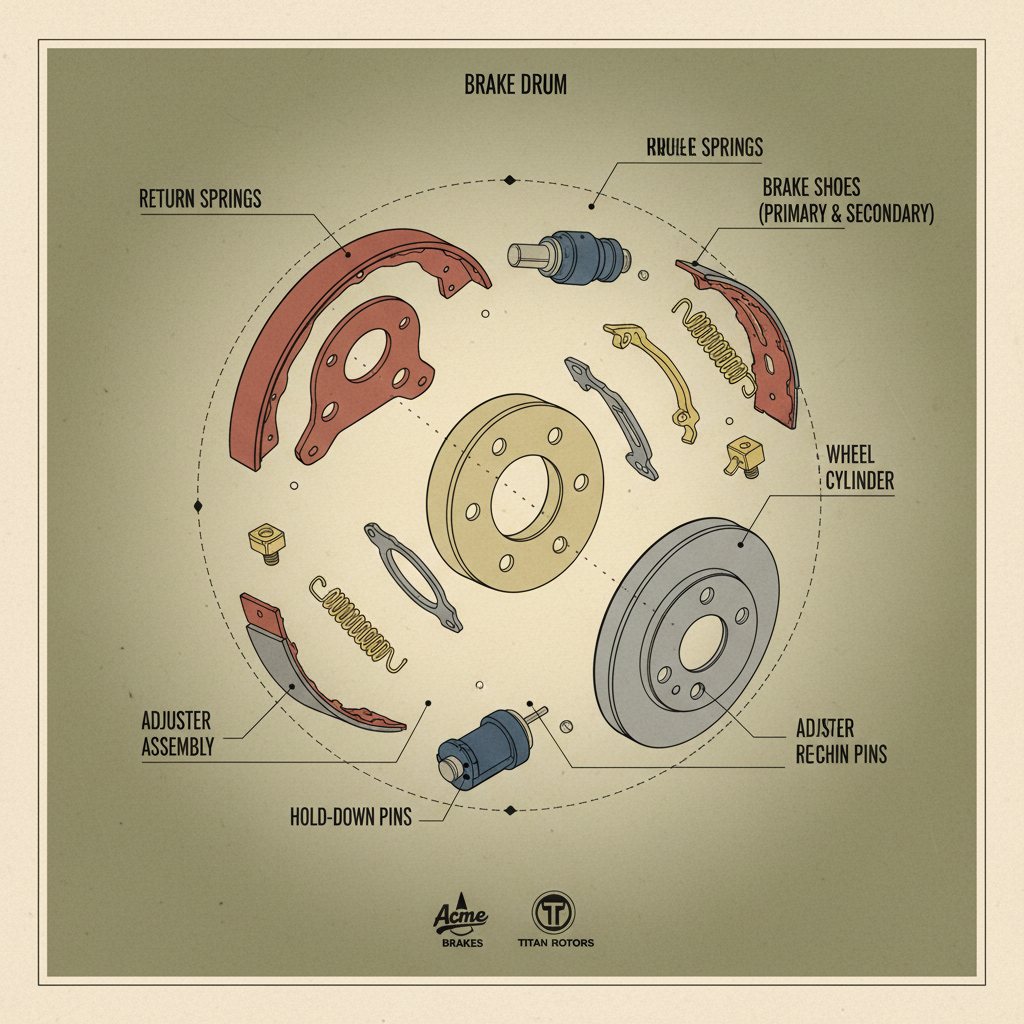
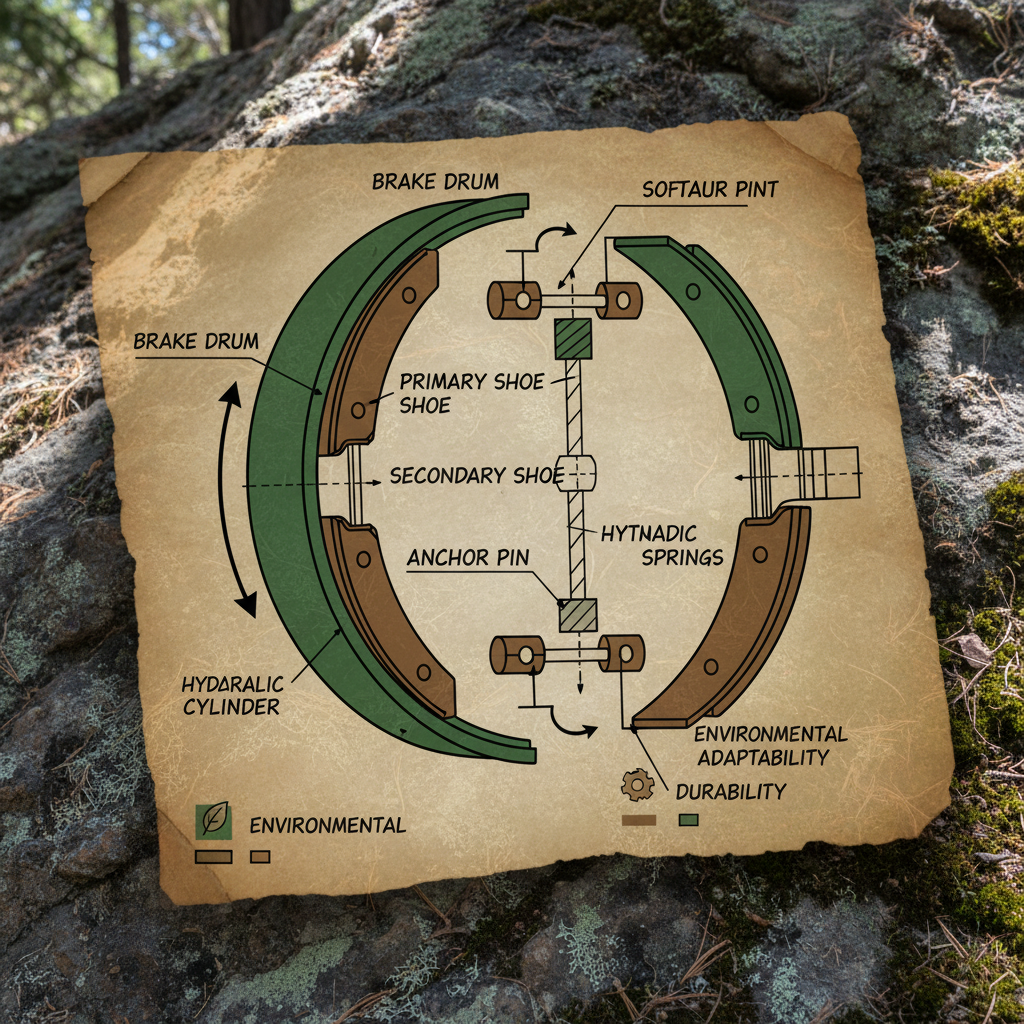
Compatibility with the existing braking hardware also plays a role. Ensuring that the drum fits perfectly with the brake shoes minimizes friction hotspots. For professional fleet operators, selecting components that meet high industry standards of craftsmanship ensures that the interval between replacements is maximized, effectively lowering the per-mile cost of the component.
Many buyers make the mistake of focusing solely on the unit price. However, the true value of a brake drum is realized during its service life. A high-quality drum produced under strict quality control measures may cost more initially but reduces the frequency of replacements and the associated labor costs for installation.
The return on investment is calculated by dividing the total lifespan of the drum by its initial cost, revealing that precision-engineered parts often provide a 30% lower lifecycle cost compared to budget alternatives.
Reliability in extreme environments—such as those found in Russia or South Africa—further justifies a higher initial investment. In these regions, the ability of a brake drum to withstand temperature fluctuations without warping is not just a matter of efficiency, but a requirement for operational safety.
Comparing different casting grades reveals a clear correlation between material purity and thermal stability. High-carbon cast iron typically exhibits better wear resistance but requires more precise cooling during the manufacturing process to avoid internal stresses.
The following data represents the relative wear resistance and heat dissipation capabilities of common industrial materials used in brake drum production, highlighting why specific alloys are chosen for heavy-duty applications.
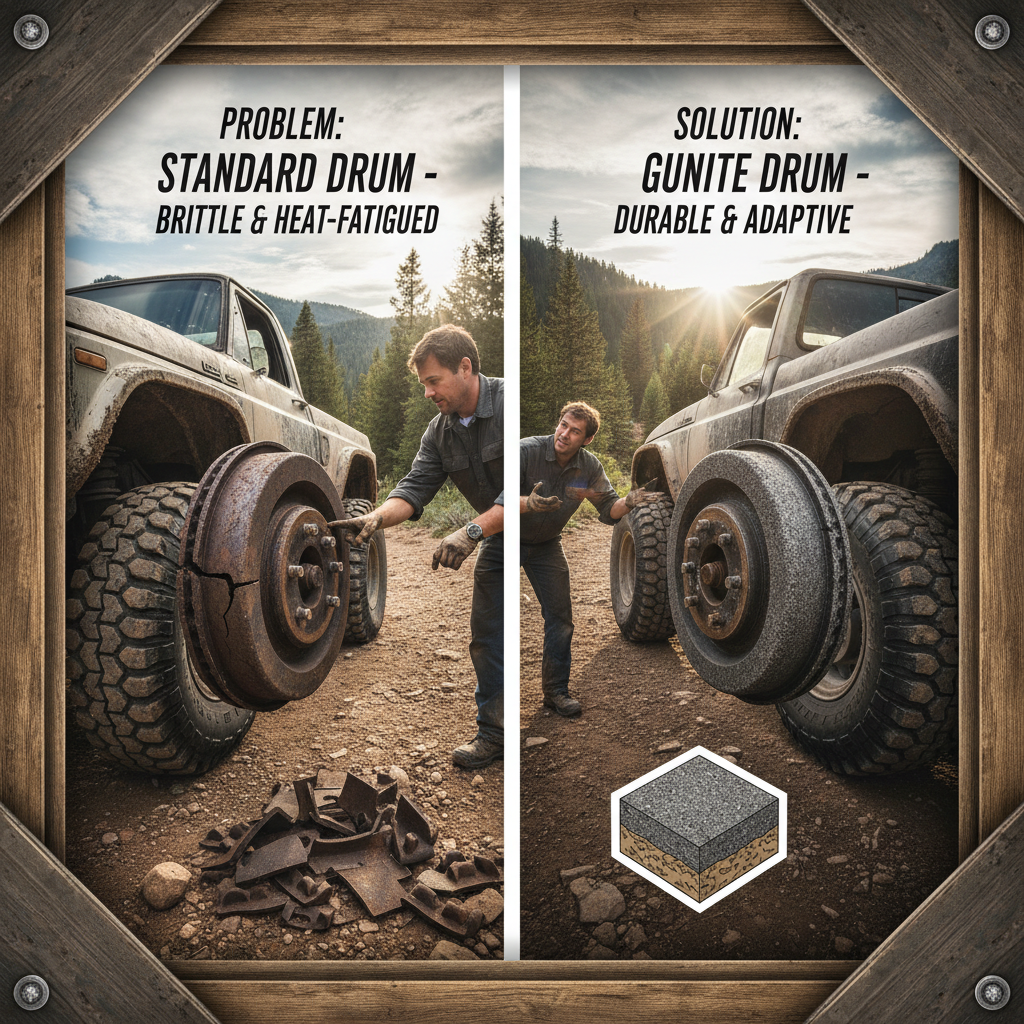
Brake drums are utilized across various sectors, from light-duty commercial trucks to older vehicle restorations. In logistics and construction, the drums are subjected to constant heavy loads, leading to "heat checking"—small surface cracks caused by repeated thermal expansion and contraction. In these scenarios, the drum's ability to maintain its shape under stress is the primary indicator of quality.
Conversely, in less demanding urban delivery environments, the focus shifts to corrosion resistance and longevity. Selecting a drum with an optimized metallurgical structure ensures that the component does not rust prematurely in humid climates, thereby maintaining consistent braking force and extending the time between required maintenance cycles.
The industry is moving toward more advanced casting techniques that allow for internal ribbing to improve heat dissipation without increasing the overall weight of the drum. This evolution in design helps reduce the unsprung weight of the vehicle, improving fuel efficiency and handling characteristics.
Sustainability in manufacturing is also becoming a priority. The shift toward recycled scrap metal that is refined through advanced smelting processes allows manufacturers to maintain the high standards of the JKX trademark while reducing the environmental footprint of the foundry.
We expect to see a greater integration of precision monitoring in the production line, where automated laser measurements ensure that every drum meets the exact specifications before leaving the factory, further reducing the risk of field failures in global markets.
Procuring brake drums on a global scale often involves navigating the trade-off between lead times and quality assurance. Many buyers struggle with inconsistent dimensions from low-cost suppliers, which leads to expensive installation delays and mechanical issues during vehicle operation.
The solution lies in partnering with manufacturers who utilize a comprehensive quality control system. By verifying the annual production capacity and the technology used in the casting process, buyers can ensure they are receiving products that meet international safety standards.
A structured evaluation of the supplier's track record in diverse markets—such as Dubai, Egypt, or Iraq—provides evidence of the product's ability to perform under varied climatic conditions, which is a more reliable indicator of quality than a low quote.
| Evaluation Factor | Budget Option | Standard Grade | Precision Grade |
|---|---|---|---|
| Material Purity | Variable | Consistent | Certified High |
| Dimensional Tolerance | Loose | Standard | Tight/Precision |
| Heat Dissipation | Moderate | Good | Excellent |
| Expected Lifespan | Short | Medium | Long |
| Installation Fit | Requires Adjustment | Standard Fit | Perfect Fit |
| Total Lifecycle Cost | High (Frequent) | Balanced | Low (Durable) |
The price is primarily determined by the grade of cast iron used, the precision of the machining equipment, and the manufacturer's scale of production. High-quality drums require more expensive raw materials and stringent quality control, which increases the unit cost but reduces long-term operational expenses through enhanced durability and safety.
Weight is a balance between thermal mass and vehicle efficiency. A heavier drum can typically absorb more heat, which is beneficial for heavy-duty trucks, but excessive weight increases unsprung mass, which can negatively impact fuel economy and suspension response. Precision engineering allows for optimal weight distribution without sacrificing heat capacity.
High output capacity, such as over 20,000 tons annually, indicates that the manufacturer has invested in automated, state-of-the-art facilities. This leads to better consistency across batches, more competitive pricing due to economies of scale, and a more reliable supply chain for large-scale fleet requirements.
The most common signs include audible grinding noises during braking, excessive vibration (shudder) in the brake pedal, and visible heat cracks or thinning of the drum walls. If the drum becomes oval or warped, it will cause uneven wear on the brake shoes and significantly reduce braking efficiency.
Regions with extreme temperatures, like Russia or the Middle East, require drums with superior thermal stability to prevent warping. In coastal or humid regions, corrosion-resistant finishes or specific alloy compositions are necessary to prevent rust from compromising the friction surface and the overall structural integrity.
OEM drums are made to the original manufacturer's specifications, while high-quality aftermarket drums, like those under the JKX brand, often focus on improving durability and cost-efficiency. The key is to ensure the aftermarket supplier adheres to the same or higher metallurgical and machining standards as the OEM.
Selecting the right brake drum requires a shift in perspective from minimizing initial cost to maximizing long-term reliability. By prioritizing metallurgical precision, consistent manufacturing standards, and a proven track record in global markets, operators can ensure their vehicles maintain peak braking performance while reducing the total cost of ownership.
For those seeking professional-grade components that balance performance with economic efficiency, exploring a comprehensive catalogue is the first step. You can find detailed technical specifications and competitive options by visiting www.yihangbrakedrums.com to ensure your fleet is equipped with reliable and high-performance braking solutions.

 Afrikaans
 Albanian
 Amharic
 Arabic
 Armenian
 Azerbaijani
 Basque
 Belarusian
 Bengali
 Bosnian
 Bulgarian
 Catalan
 Cebuano
 Corsican
 Croatian
 Czech
 Danish
 Dutch
 Esperanto
 Estonian
 Finnish
 French
 Frisian
 Galician
 Georgian
 German
 Greek
 Gujarati
 Haitian Creole
 Hausa
 Hawaiian
 Hebrew
 Hindi
 Miao
 Hungarian
 Icelandic
 Igbo
 Indonesian
 Irish
 Italian
 Japanese
 Javanese
 Kannada
 Kazakh
 Khmer
 Rwandese
 Korean
 Kurdish
 Kyrgyz
 Lao
 Latin
 Latvian
 Lithuanian
 Luxembourgish
 Macedonian
 Malgashi
 Malay
 Malayalam
 Maltese
 Maori
 Marathi
 Mongolian
 Myanmar
 Nepali
 Norwegian
 Norwegian
 Occitan
 Pashto
 Persian
 Polish
 Portuguese
 Punjabi
 Romanian
 Russian
 Samoan
 Scottish Gaelic
 Serbian
 Sesotho
 Shona
 Sindhi
 Sinhala
 Slovak
 Slovenian
 Somali
 Spanish
 Sundanese
 Swahili
 Swedish
 Tagalog
 Tajik
 Tamil
 Tatar
 Telugu
 Thai
 Turkish
 Turkmen
 Ukrainian
 Urdu
 Uighur
 Uzbek
 Vietnamese
 Welsh
 Bantu
 Yiddish
 Yoruba
 Zulu
 English