
Regional Analysis
Qatar's Heavy-Duty Brake Component Market
An analysis of the demand for high-performance braking systems in the Middle East.
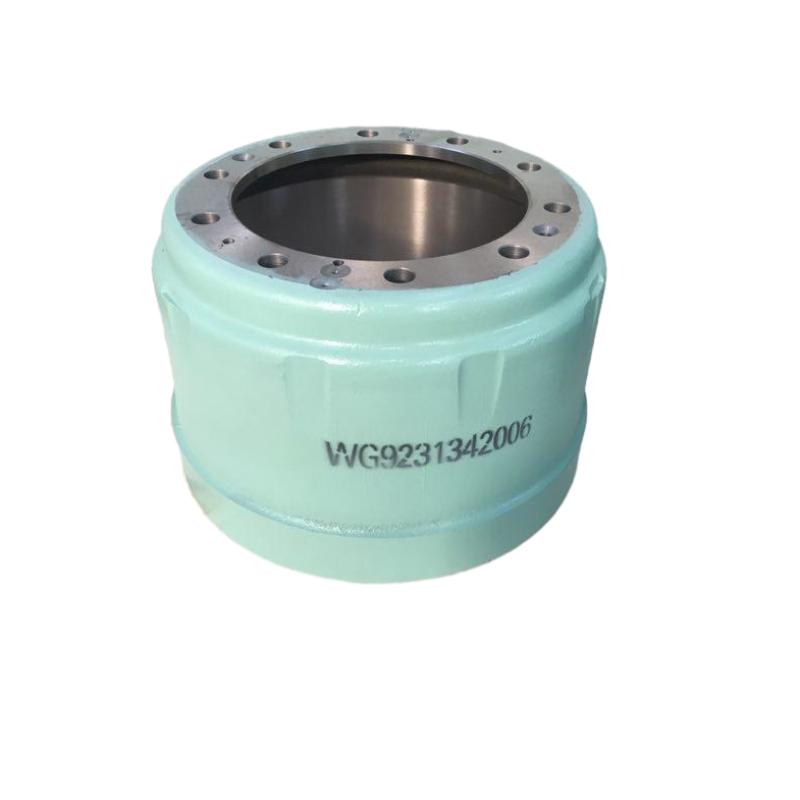
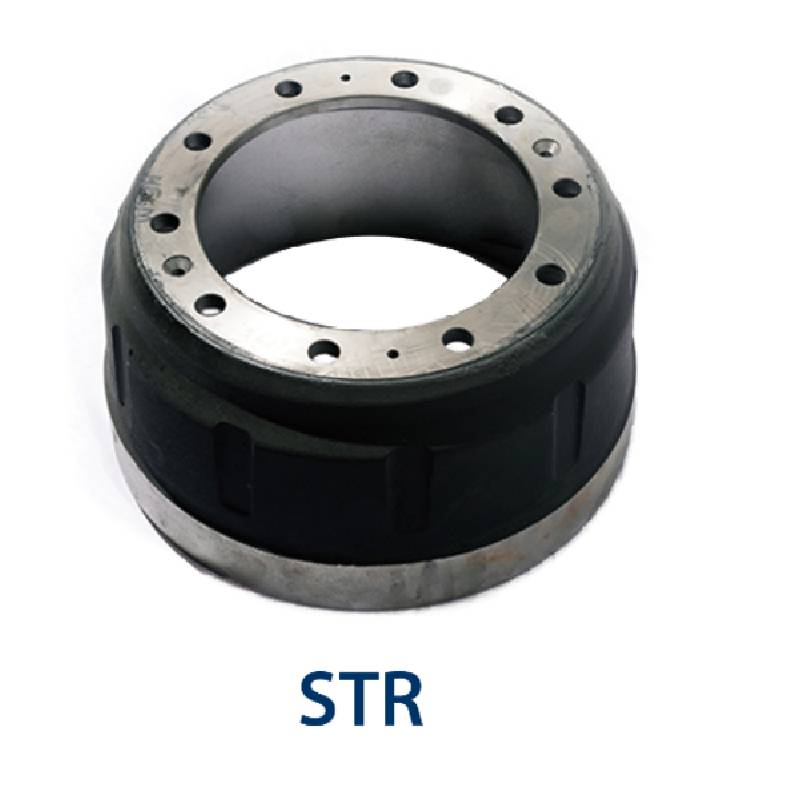
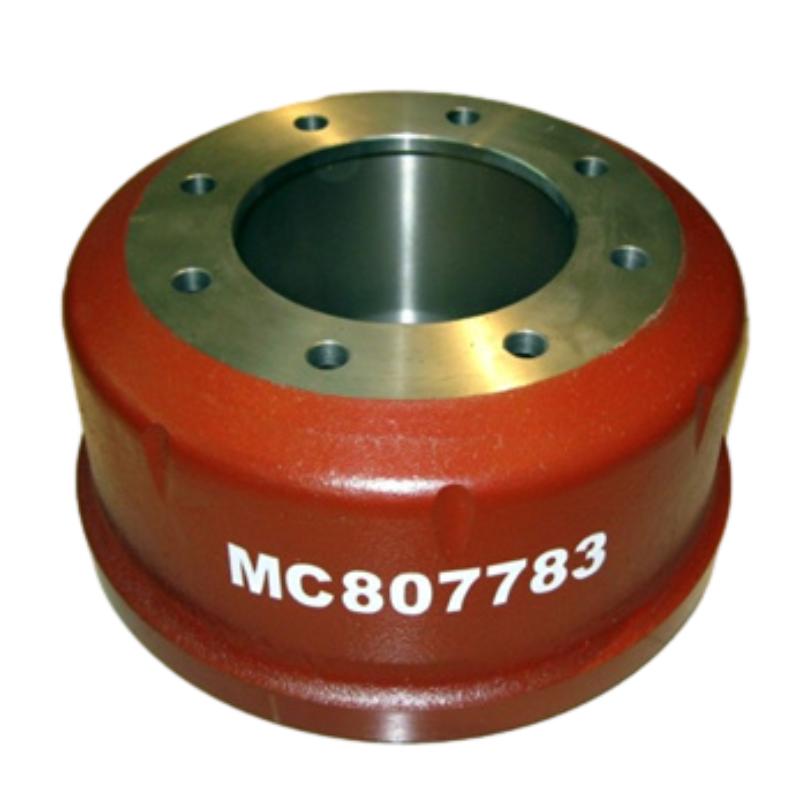
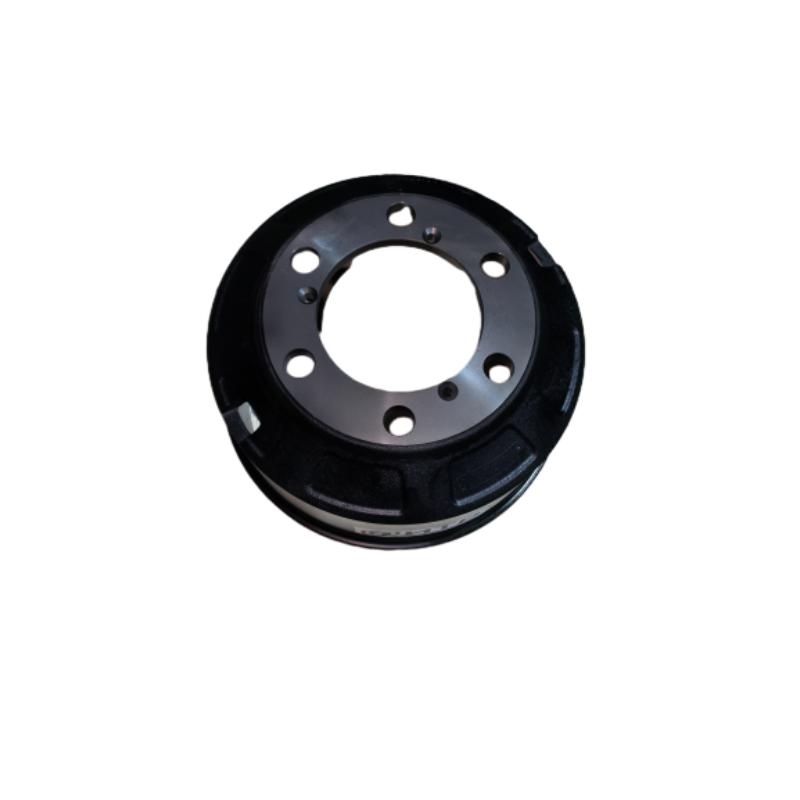
The industrial landscape of Qatar is characterized by massive infrastructure projects and a robust logistics network that relies heavily on heavy-duty trucking. The operational environment is exceptionally harsh, with ambient temperatures often exceeding 40°C, which puts immense pressure on friction-based braking systems. Consequently, there is a sustained demand for truck brake drums that can withstand extreme thermal expansion without compromising safety. The market is transitioning from generic replacements to specialized, high-durability components that can handle the specific load profiles of the region's construction and oil & gas transport sectors.
Current market trends show a significant shift toward "Total Cost of Ownership" (TCO) models. Fleet operators in Doha and surrounding areas are increasingly prioritizing components with longer service lives over the lowest initial purchase price. This trend is driven by the high cost of vehicle downtime and the increasing stringent safety regulations for commercial transport. There is also a growing interest in precision-engineered parts that integrate seamlessly with modern air-brake systems, reducing the need for manual adjustments and minimizing the risk of uneven wear across the axle.
Looking forward, the outlook for the metal tools and brake component industry in Qatar is tied to the continued expansion of the logistics hub. While the market faces constraints such as high competition from various global suppliers, the opportunity lies in providing verified reliability. Companies that can prove their products' performance in extreme heat and high-load scenarios will capture the majority of the commercial market. The integration of more advanced metallurgy and strict adherence to international safety standards will be the primary differentiators for success in this competitive landscape.
Industry Journey
Evolution of Heavy-Duty Braking Technology
Tracing the transition from basic casting to precision-engineered safety components.
Early Stage
Basic Casting
Initial production focused on simple iron casting with wide tolerances. Drums were heavy and prone to rapid thermal warping under load, requiring frequent manual resurfacing.
Adoption Phase
Precision Machining
Introduction of CNC machining allowed for tighter tolerances. This reduced vibration and noise, improving the interface between the brake shoe and the drum surface.
Current Phase
Material Optimization
Modern focus on advanced alloy blends and heat treatment. Components are now engineered for specific thermal loads, significantly extending the lifespan of the braking system.
Shift to Alloy Precision
The industry has moved away from generic gray iron to specialized alloys that offer a better balance of hardness and thermal conductivity. This allows drums to dissipate heat faster, reducing the risk of brake fade during long descents or heavy hauling.
Integration of Global Standards
Manufacturers are now aligning with international safety certifications to ensure cross-border compatibility. This standardization ensures that a drum produced in China fits perfectly on a truck operating in Qatar or Russia without modification.
Sustainability in Metallurgy
There is a growing emphasis on reducing waste during the casting process and increasing the recyclability of worn-out components, aligning industrial production with global environmental goals.
Future Outlook
Emerging Trends in Metal Tool Manufacturing
Analyzing the forces shaping the next generation of braking components.
Thermal-Resistant Alloys
The development of new composite irons that maintain structural integrity at higher temperatures, directly addressing the needs of Middle Eastern climates.
Zero-Tolerance Engineering
Moving toward micron-level precision in lifting platform power unit components and brake housings to eliminate all operational vibrations.
Smart Component Tracking
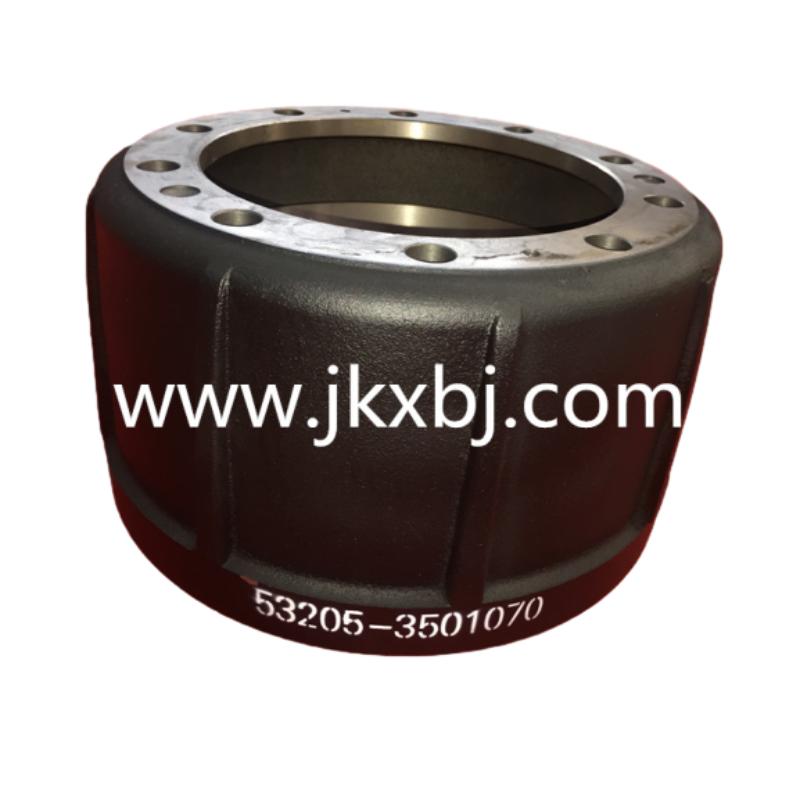
Implementing traceability codes on each drum to track wear patterns and batch quality, aiding fleet managers in predictive maintenance schedules.
Eco-Friendly Casting
Adopting cleaner smelting technologies to reduce the carbon footprint of heavy metal production without compromising the strength of the cast iron.
The evolution of the braking industry is increasingly defined by the synergy between material science and digital precision. As vehicles become heavier and transport schedules more demanding, the "standard" brake drum is no longer sufficient. The current movement toward customized metallurgy allows manufacturers to create components that are specifically tuned for the environment they will operate in. For example, components destined for the Gulf region are engineered with a higher focus on thermal stability and corrosion resistance compared to those for temperate climates.
Furthermore, the shift toward automation in the manufacturing process ensures that every unit is an exact replica of the master design. This consistency is critical for safety; when a fleet manager replaces a drum on one axle, they need the absolute certainty that the new part will perform identically to its counterpart. This reduction in variance not only improves safety but also optimizes the performance of the entire braking system, leading to shorter stopping distances and reduced wear on the friction linings.
Real-World Use
Operational Applications in Qatar
How our components perform across different local commercial environments.
01
Construction Logistics in Lusail City
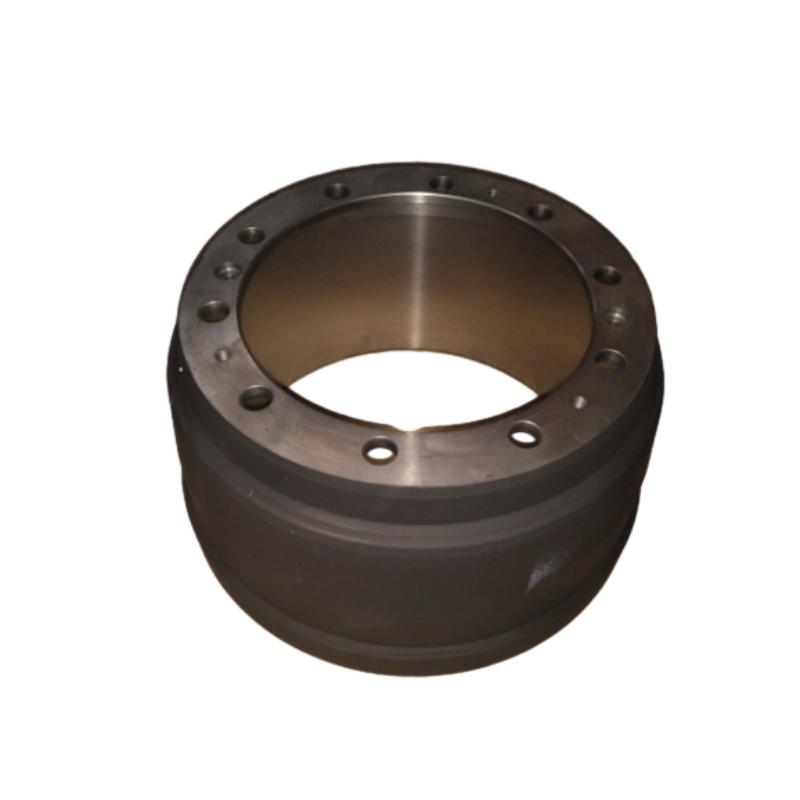
Heavy dump trucks transporting materials for urban expansion operate in stop-and-go traffic under extreme heat. This creates intense heat buildup in the brakes. Our high-thermal-capacity brake drums prevent glazing and warping, ensuring that trucks can stop safely even when fully loaded on sandy inclines.
02
Port Haulage at Hamad Port
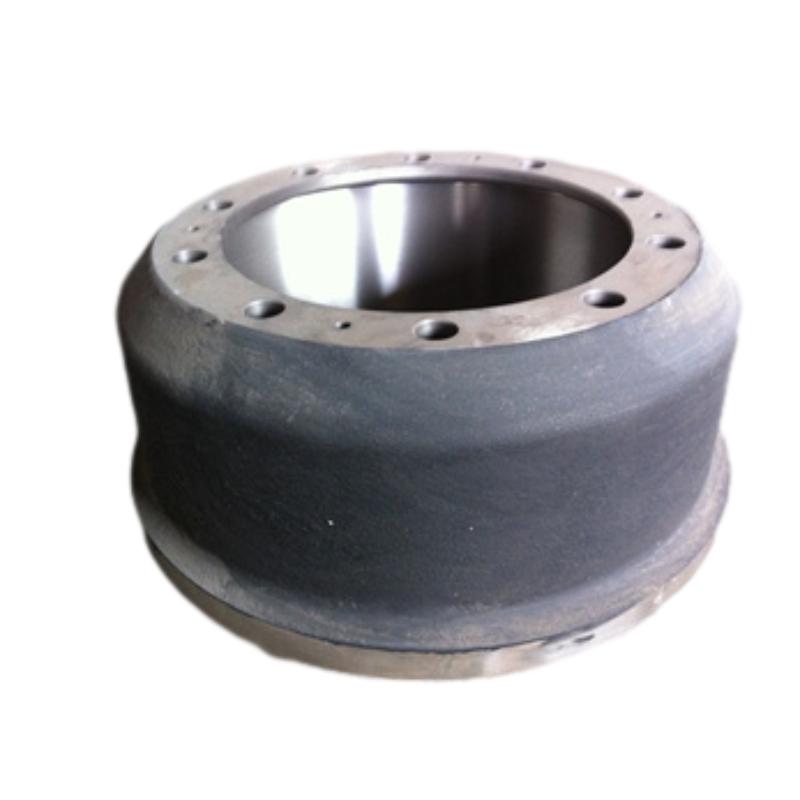
Container trucks operating between the port and inland warehouses face constant salt-air exposure and heavy loads. The anti-corrosive finishing on our JKX drums prevents surface pitting, ensuring the friction interface remains smooth and the braking action remains predictable over thousands of cycles.
03
Oil & Gas Field Support Vehicles
Support trucks operating in the remote desert regions of Qatar face abrasive dust and extreme temperature swings. Our high-density casting provides superior resistance to abrasive wear from sand ingress, reducing the rate of drum thinning and extending the time between maintenance overhauls.
04
Municipal Waste Management Fleets
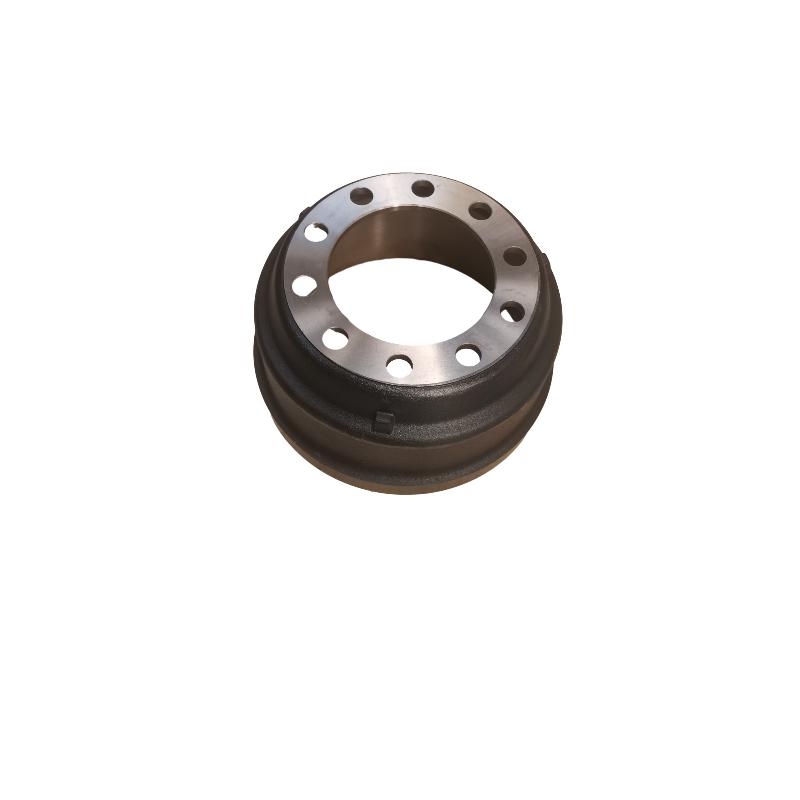
City trucks performing hundreds of stops daily in Doha require components with exceptional fatigue resistance. Our precision-machined semi brake drums minimize vibration and noise, reducing the mechanical stress on the vehicle's chassis and enhancing driver comfort.
05
Inter-City Freight Transport
Long-haul trucks moving goods between Qatar and neighboring regions encounter varying road conditions. The stability of our brake drums ensures that thermal expansion is managed, preventing the "pulsing" effect during high-speed braking and maintaining a consistent safety margin.
Field Performance
Representative Operator Perspectives
Typical results experienced by transport managers utilizing JKX components.
Transitioning to high-density brake drums has significantly reduced our unplanned maintenance downtime. In the extreme heat of the summer, we previously saw drums warping every few months. The current components have maintained their shape and efficiency, proving that higher initial quality leads to lower operational costs.
The precision of the fitment is what stands out. We've replaced several axles with these drums and noticed a marked decrease in braking noise and vibration. This not only improves safety but also reduces the wear on our wheel bearings and suspension components across the fleet.
For our port-based operations, salt-air corrosion was a constant battle. Switching to components with better surface finishing has extended the life of our brake housings. We are seeing much slower degradation of the iron surface, which keeps the braking performance consistent over time.
Our Legacy
Longyao County Yihang Machinery Manufacturing
Two decades of dedication to the art of precision braking components.
2000
Company Establishment
Longyao County Yihang Machinery Manufacturing Co. Ltd was founded with a clear mission: to produce high-quality brake drums that combine safety with durability. From the start, the company focused on mastering the fundamentals of iron casting.
Growth Era
JKX Brand Expansion
The company developed the JKX trademark, symbolizing a commitment to superior products at competitive prices. By investing in state-of-the-art production facilities, Yihang increased its capacity to exceed 20,000 tons annually.
Global Reach
International Market Penetration
Expanding beyond domestic borders, Yihang successfully entered diverse markets including Dubai, Egypt, Russia, and South Africa. The brand earned a stellar reputation for reliability in some of the world's most demanding operational environments.
Recent
Pursuit of Excellence
Adhering to the motto "ABSORPTION MAKES PROFESSION, PROFESSION MAKES EXCELLENCE," the company continues to innovate its manufacturing processes, focusing on precision, customer trust, and enduring partnerships.
Knowledge Base
Common Questions About Brake Drum Procurement
Technical and commercial guidance for selecting the right braking components.
What is the primary function of a brake drum in heavy-duty vehicles?
The brake drum serves as the housing for the brake shoes. When the driver applies the brakes, the shoes are pressed outward against the inner surface of the drum. The resulting friction converts kinetic energy into heat, which slows down or stops the vehicle. In heavy trucks, the drum must be capable of absorbing and dissipating massive amounts of heat to prevent braking failure.
How does extreme heat in Qatar affect the lifespan of brake drums?
High ambient temperatures reduce the drum's ability to cool down between braking events. This leads to "heat soaking," where the metal reaches a critical point that can cause thermal expansion and warping. Once a drum warps, it creates an uneven contact surface, which accelerates wear on the brake shoes and can lead to dangerous vibrations or total braking inefficiency.
What is the difference between a full brake drum and a semi brake drum?
A full brake drum is a complete assembly ready for installation. A semi brake drum typically refers to a component that may require additional machining or is designed to be integrated into a larger assembly. The choice depends on the specific vehicle model and the maintenance strategy of the fleet, where semi-drums are often used in specialized refurbishment processes.
How should I choose between budget drums and premium JKX drums?
Budget drums often use lower-grade iron with inconsistent density, leading to shorter lifespans and higher risk of warping. Premium JKX drums utilize advanced casting and precision CNC machining to ensure uniform wear and thermal stability. For operators in Qatar, the premium option is generally more cost-effective when considering the reduction in downtime and labor costs associated with frequent replacements.
What technical indicators should I check when inspecting a worn brake drum?
Operators should check for "ovality" (out-of-roundness) using a dial indicator, as this causes brake shudder. Look for "heat spots" (discolored blue/black areas) which indicate localized overheating. Finally, measure the inner diameter to ensure it hasn't exceeded the maximum wear limit, as thin walls compromise the structural integrity and heat dissipation capacity of the drum.
Does Yihang provide customization for specific vehicle requirements in Qatar?
Yes, we leverage our advanced production facilities to meet specific dimensional and material requirements. Whether you need components for standard heavy trucks or specialized equipment, we can ensure the precision and durability required for your specific operational environment. We recommend providing detailed specifications to ensure a perfect fit and optimal performance.
Ready to Upgrade
Ensure Your Fleet's Safety with Precision-Engineered Brake Drums
Stop compromising on braking reliability in the harsh climates of Qatar. Whether you are managing a municipal fleet or industrial haulage, our JKX components provide the durability and precision required to minimize downtime and maximize safety. Discuss your technical requirements with our experts today to find the ideal solution for your vehicles.
Request a Consultation English
 Afrikaans
 Albanian
 Amharic
 Arabic
 Armenian
 Azerbaijani
 Basque
 Belarusian
 Bengali
 Bosnian
 Bulgarian
 Catalan
 Cebuano
 Corsican
 Croatian
 Czech
 Danish
 Dutch
 Esperanto
 Estonian
 Finnish
 French
 Frisian
 Galician
 Georgian
 German
 Greek
 Gujarati
 Haitian Creole
 Hausa
 Hawaiian
 Hebrew
 Hindi
 Miao
 Hungarian
 Icelandic
 Igbo
 Indonesian
 Irish
 Italian
 Japanese
 Javanese
 Kannada
 Kazakh
 Khmer
 Rwandese
 Korean
 Kurdish
 Kyrgyz
 Lao
 Latin
 Latvian
 Lithuanian
 Luxembourgish
 Macedonian
 Malgashi
 Malay
 Malayalam
 Maltese
 Maori
 Marathi
 Mongolian
 Myanmar
 Nepali
 Norwegian
 Norwegian
 Occitan
 Pashto
 Persian
 Polish
 Portuguese
 Punjabi
 Romanian
 Russian
 Samoan
 Scottish Gaelic
 Serbian
 Sesotho
 Shona
 Sindhi
 Sinhala
 Slovak
 Slovenian
 Somali
 Spanish
 Sundanese
 Swahili
 Swedish
 Tagalog
 Tajik
 Tamil
 Tatar
 Telugu
 Thai
 Turkish
 Turkmen
 Ukrainian
 Urdu
 Uighur
 Uzbek
 Vietnamese
 Welsh
 Bantu
 Yiddish
 Yoruba
 Zulu